Internal Streaming: How URL Player Online Delivers Fast and Secure Video Playback

Modern video consumption demands speed, reliability, and security. Whether you are testing a streaming link, previewing embedded content, validating an HLS playlist, or checking a DASH manifest, playback must be smooth and trustworthy.
URL Player Online was built with a clear mission:
Deliver fast, secure, and effortless video playback directly in the browser — without downloads, plugins, or complicated setup.
Unlike traditional media players, URL Player Online does not host or store video files. Instead, it uses an advanced internal streaming architecture that processes user-supplied URLs in real time and intelligently delivers playback using browser-native technology.
In this in-depth guide, we explain:
- How our internal streaming system works
- How browser-native playback enhances performance
- How multi-format compatibility is handled
- How security and privacy are maintained
- How real-time optimization improves playback stability
- Why developers and creators benefit from this system
- What future improvements are planned
The Core Philosophy Behind Internal Streaming

Traditional streaming platforms often rely on heavy backend infrastructure that stores, transcodes, or redistributes content.
URL Player Online operates differently.
We do not:
- Upload video files
- Store media content
- Redistribute copyrighted streams
- Cache external media
Instead, our internal streaming engine acts as an intelligent processing layer between your browser and the video source.
The result is:
- Lightweight architecture
- Fast playback initialization
- Secure browser-based execution
- High compatibility across devices
This approach ensures performance without compromising user privacy.
Browser-Native Playback Architecture
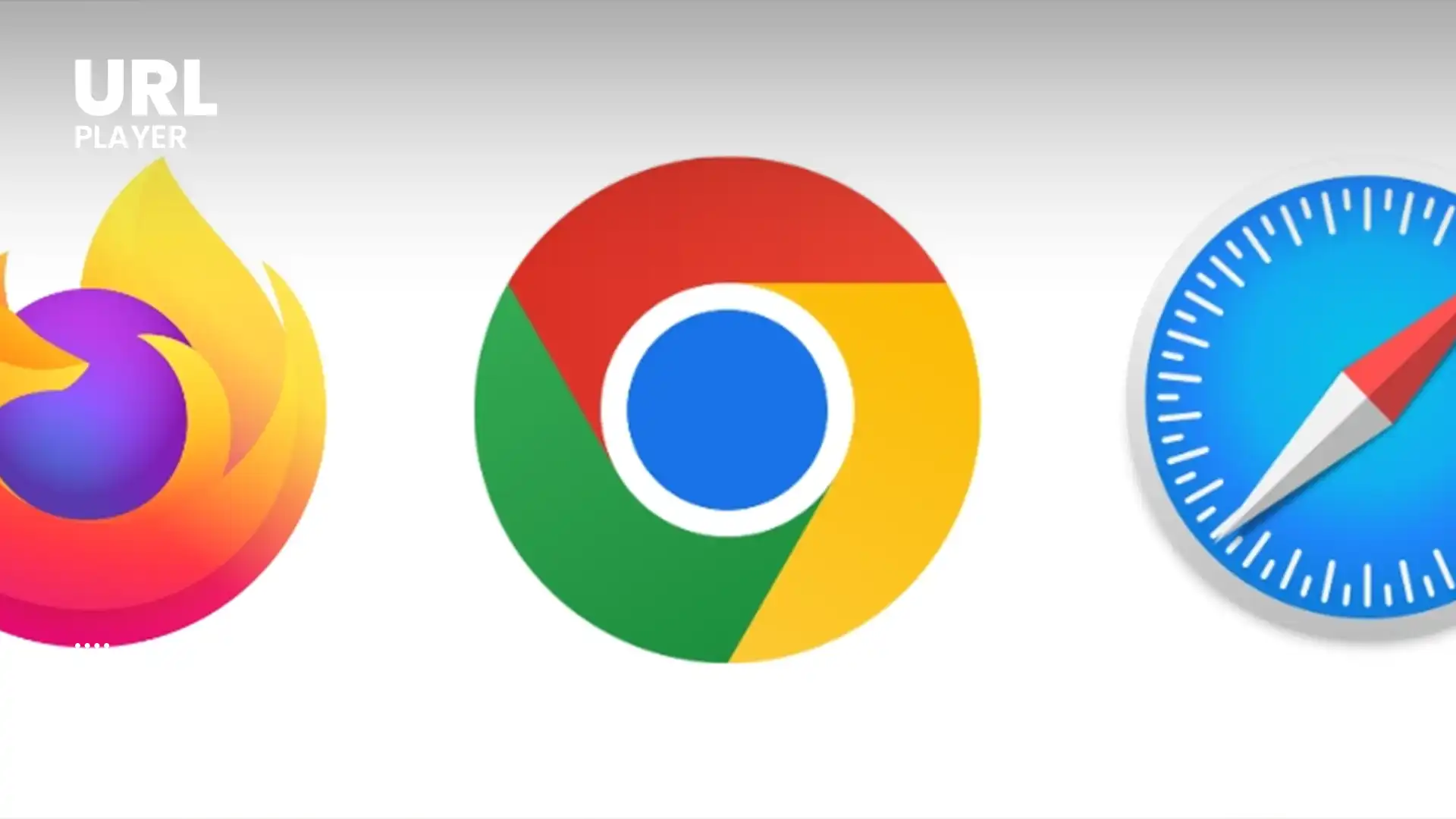
At the foundation of our system is a fully browser-native playback engine.
Rather than relying on:
- Flash (obsolete)
- Downloadable codecs
- External desktop software
- Browser extensions
We use:
- HTML5
<video>elements - Media Source Extensions (MSE)
- Encrypted Media Extensions (when required)
- Native browser decoding capabilities
This architecture offers several advantages.
1. Instant Compatibility
Modern browsers already support advanced media decoding.
By leveraging built-in browser capabilities, playback:
- Starts quickly
- Requires no installation
- Works across major operating systems
Supported environments include:
- Windows
- macOS
- Linux
- Android
- iOS
- Smart TVs
- Tablets
2. Reduced Complexity
Removing external dependencies eliminates:
- Version conflicts
- Plugin vulnerabilities
- Update inconsistencies
- Cross-device compatibility issues
Browser-native playback is cleaner, faster, and more stable.
Intelligent URL Processing Layer

Before playback begins, URL Player Online runs each link through an internal validation and analysis process.
This intelligent processing layer evaluates:
- File format (MP4, M3U8, MPD, embed, etc.)
- Source type (CDN, direct file, streaming server)
- Protocol security (HTTP vs HTTPS)
- Cross-Origin Resource Sharing (CORS) headers
- MIME-type accuracy
- Browser compatibility support
This step is crucial for reducing playback errors.
Why Intelligent URL Processing Matters
Many streaming failures occur due to:
- Incorrect MIME types
- Missing CORS headers
- Invalid playlist formatting
- Unsupported codecs
- Mixed content security blocks
By pre-analyzing the link, our system selects the correct playback method automatically.
This reduces:
- User frustration
- Manual troubleshooting
- Trial-and-error testing
Multi-Format Streaming Engine

One of the strongest aspects of URL Player Online is universal format support.
Our internal engine automatically detects and handles:
MP4 & Direct File Links
- Loaded instantly via native browser decoding
- Ideal for direct file validation
HLS (.m3u8) Streams
- Processed using optimized HLS handling libraries
- Supports adaptive bitrate streaming
- Allows resolution switching when available
MPEG-DASH (.mpd)
- Managed through DASH-compatible playback logic
- Supports representation switching
- Handles segmented streaming architecture
Embedded Platforms (YouTube, Vimeo)
- Routed through secure iframe embedding
- Preserves platform-native controls
Users do not need to choose playback modes manually. The system automatically adapts.
Real-Time Playback Optimization
Streaming performance depends on multiple variables:
- Network speed
- Device performance
- Stream bitrate
- Server response time
Our internal streaming engine performs continuous optimization during playback.
Adaptive Buffering
The player dynamically adjusts buffering strategy based on:
- Current network conditions
- Playback stability
- Stream type (live vs on-demand)
This minimizes:
- Playback interruptions
- Sudden pauses
- Rebuffering spikes
Automatic Resolution Switching
For supported HLS and DASH streams, the system:
- Detects available quality levels
- Adjusts resolution dynamically
- Maintains smooth playback
This is especially important for users on fluctuating mobile connections.
Memory & Resource Management
Long playback sessions can consume memory.
Our engine:
- Efficiently manages segment loading
- Releases unused buffers
- Avoids memory leaks
This ensures stability even during extended streaming.
Secure & Isolated Streaming Environment

Security is central to our architecture.
All streaming is processed:
- Inside the browser sandbox
- Through HTTPS encrypted connections
- Without server-side storage
HTTPS Encryption
Every request uses secure HTTPS protocols.
This protects against:
- Man-in-the-middle attacks
- Packet interception
- Data tampering
Client-Side Processing
Video streams are:
- Loaded directly from the source
- Processed locally in the browser
- Not stored on our servers
This enhances privacy and reduces infrastructure risk.
Sandboxed Execution
Modern browsers isolate media playback from the operating system.
This prevents:
- Access to local files
- Execution of unauthorized scripts
- System-level interference
Internal Error Detection & Auto-Recovery
Streaming errors are inevitable. Our internal engine includes diagnostic checks to identify common problems.
When a stream fails, we evaluate:
- Network connectivity
- Playlist validity
- MIME-type mismatches
- CORS restrictions
- Geo-blocking limitations
- Authentication requirements
Where possible, the system attempts:
- Automatic retry
- Buffer reinitialization
- Segment reload
If recovery fails, clear feedback is provided to assist troubleshooting.
Built for Developers & Streaming Engineers
URL Player Online is not just a casual viewing tool.
It is designed to support professional workflows such as:
- HLS playlist validation
- DASH manifest inspection
- Embed testing
- Cross-browser compatibility checks
- QA testing environments
Developers can quickly:
- Confirm stream availability
- Identify playback issues
- Validate adaptive bitrate functionality
- Test external CDN behavior
This reduces debugging time significantly.
Performance Across Devices
Because the system is browser-native:
- No device-specific installations are required
- Performance scales based on device capability
- Mobile playback remains smooth
The architecture adapts to:
- Low-power devices
- High-resolution displays
- Live streaming environments
Constant Improvement & Roadmap

Internal streaming technology is continuously evolving.
Upcoming enhancements include:
Audio Track Switching
Seamless multi-audio support for HLS, DASH, and MP4.
Metadata Detection
Display of bitrate, codec, language, and track info.
Advanced Debugging Tools
Better diagnostics for developers working with manifests.
Enhanced Mobile Optimization
Lower latency handling for mobile networks.
Improved Error Reporting
Clearer technical insights into stream failures.
These improvements strengthen URL Player Online as a professional-grade browser streaming solution.
Why Internal Streaming Architecture Matters
Many online tools rely on heavy backend processing.
Our architecture avoids unnecessary server handling and focuses on:
- Speed
- Compatibility
- Privacy
- Lightweight execution
By using intelligent URL processing combined with browser-native playback, URL Player Online delivers:
- Fast initialization
- Stable streaming
- Secure operation
- Cross-platform reliability
Who Benefits Most?
Developers
Rapid validation of streaming links.
Content Creators
Preview video embeds before publishing.
QA Teams
Cross-browser playback testing.
IT Professionals
Troubleshooting streaming errors.
Everyday Users
Quick access to external video links without downloads.
Conclusion
URL Player Online’s internal streaming system is built to deliver:
- Fast playback
- Secure browser-based execution
- Multi-format compatibility
- Intelligent URL processing
- Real-time optimization
- Strong privacy protection
Without requiring:
- Software installation
- File downloads
- Media hosting
- Account registration
By combining modern browser technologies with intelligent internal processing, URL Player Online provides a universal and efficient way to test and watch video URLs across devices.
As streaming technology continues to evolve, internal browser-native architectures will define the next generation of lightweight and secure playback solutions.